
How to revise the night before an exam
The night before an exam, test yourself briefly on key facts, definitions and your list of past mistakes, check the practical details of the exam, and then stop and sleep. It is too late to learn whole new topics well, and losing sleep makes it harder to recall what you already know.
What most advice leaves out
The evening before an exam is when panic pushes students to cram everything they skipped. That usually means reading large amounts of new material while tired, which leaves little behind and costs sleep. The most useful thing you can do is consolidate what you already know: quick recall of high-value facts, a look at the mistakes you have made in practice, and a calm, organised start to the next day. The exam tests what you can retrieve tomorrow morning, and rest helps with that. It also helps to accept that the evening is for a light touch. Whatever you did or did not do in the weeks before, a calm hour of quick self-testing and an early night is the best use of the time you have left.
Step by step
- 1
Check the practical details first
Time, place, what you can bring, ID, calculator, pens. Pack your bag now so you are not worrying about it at midnight or rushing in the morning.
- 2
Review your key facts by testing
Go through flashcards or a short list of questions on definitions, formulas and key points. Answer from memory, then check. Keep it brisk.
- 3
Look at your mistakes list
If you have notes on errors from past papers or quizzes, read through them and make sure you know the right answer now. These are the points most likely to cost you marks again.
- 4
Skim, do not learn, the rest
For topics you have not covered, a quick look at headings and main points is all that is realistic. Do not try to learn a big topic from scratch tonight.
- 5
Stop at a set time and sleep
Decide in advance when you will stop, and stick to it. Wind down away from your notes. A full night’s sleep helps you think clearly and recall what you learned.
Common mistakes
- Trying to learn several new topics late at night.
- Pulling an all-nighter and sitting the exam exhausted.
- Leaving bag-packing and travel plans until the morning.
Practise it with Migo AI Students
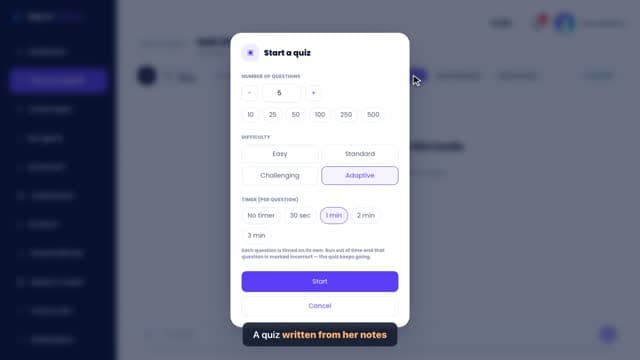
For a short evening session, use Flashcards on your study agent to run through key facts, answering before you flip and marking the ones you hesitate on. Then ask Quiz Mode for a short set on just your weak topics, and read the explanations for anything you get wrong. Keep it brief and then stop. Both are free study modes.
Questions
Is it worth staying up all night to revise?
Usually not. Being tired makes it harder to think and recall information in the exam, which tends to cost more than the extra hours of revision gain.
What should I do the morning of the exam?
Eat something, arrive early, and if you want to revise, keep it to a quick look at your key facts or mistakes list. Avoid starting anything new.
What if I have barely revised at all?
Focus on the topics most likely to come up and test yourself on their key points, rather than reading everything. Then sleep. A rested mind will use what you do know better.
Related guides
- How to revise for an exam in one weekWith a week left, stop trying to cover everything evenly. Find the topics most likely to be examined that you know least, test yourself on them every day, and finish with at least one timed practice in the real format.
- How to make flashcards that actually helpMake each flashcard ask one clear question with one short answer, write it so you have to recall the answer rather than recognise it, and review the cards you get wrong more often than the ones you know.
- How to answer multiple choice questionsRead the question and try to answer it before looking at the options, then eliminate the options you know are wrong and choose from what is left. Practise with explanations so you learn why each wrong option is wrong, not just which one is right.
General study advice. Follow your own course’s guidance and your institution’s rules on assessment and AI use.